



MotoGP 2026 Motorcycle Suits: How Smart Racing Gear Is Redefining Rider Safety and Performance
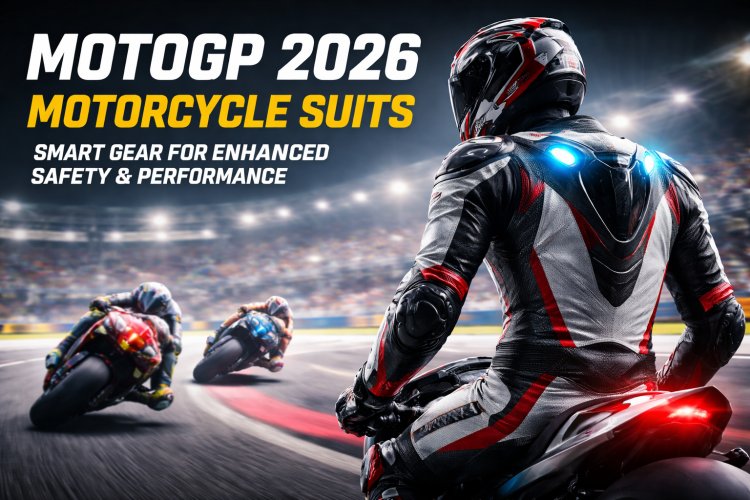
As the 2026 racing season approaches, MotoGP suits are no longer just protective apparel—they are becoming intelligent systems designed to enhance both safety and performance.


The article falls under the Technology and Health categories and is fully original, well-researched, and written to provide value to your readers. Please find the complete article below.
MotoGP 2026 Motorcycle Suits: How Smart Racing Gear Is Redefining Rider Safety and Performance
The world of motorcycle racing is evolving rapidly, and nowhere is this transformation more visible than in rider safety gear. As the 2026 racing season approaches, MotoGP suits are no longer just protective apparel—they are becoming intelligent systems designed to enhance both safety and performance.
From AI-powered sensors to adaptive airbag systems, the latest generation of racing suits is setting new standards for innovation. These advancements are not only benefiting professional riders but are also influencing everyday motorcycle gear used by enthusiasts worldwide.
The Evolution of Motorcycle Racing Suits
Historically, motorcycle suits were built with a singular purpose: protection. Early designs focused on thick leather construction to minimize injuries during crashes. Over time, materials evolved to include lightweight composites and reinforced armor, improving flexibility without compromising safety.
Today, racing suits have entered a new era—one driven by smart technology. Modern suits are engineered using advanced materials and integrated systems that actively respond to riding conditions in real time.
Smart Technology Integration in 2026 Suits
One of the most groundbreaking advancements in MotoGP 2026 suits is the integration of smart technology. These suits are now equipped with embedded sensors capable of monitoring rider movements, speed, and impact forces.
In the event of a crash, these systems can trigger protective mechanisms within milliseconds. Some suits even use predictive algorithms to detect potential accidents before they happen, allowing pre-emptive activation of safety features.
This shift from passive to active protection marks a major milestone in rider safety.
Advanced Airbag Systems
Airbag technology has become a cornerstone of modern racing suits. However, the 2026 generation takes it to a new level.
Unlike earlier versions, which relied on mechanical triggers, new airbag systems use electronic sensors and gyroscopic data to deploy instantly when abnormal motion is detected. These airbags are strategically placed around critical areas such as the chest, shoulders, and neck.
The result is significantly reduced risk of severe injuries during high-speed crashes.
Material Innovation and Durability
The materials used in MotoGP suits have also undergone significant advancements. Premium leather remains a key component due to its durability and abrasion resistance, but it is now combined with high-tech fabrics such as Kevlar and carbon fiber composites.
These materials provide enhanced strength while maintaining flexibility, allowing riders to move freely without sacrificing protection.
Additionally, modern suits are designed with improved ventilation systems, ensuring comfort even under extreme racing conditions.
For readers interested in exploring the latest designs and innovations Leather Collection provides a detailed look at MotoGP 2026 motorcycle suits
Aerodynamics and Performance Enhancement
Beyond safety, MotoGP suits are now engineered to improve rider performance. Aerodynamic optimization play
s a crucial role in competitive racing, where even minor improvements can make a significant difference.
New suit designs feature strategically placed contours and hump structures that reduce drag and enhance stability at high speeds. These enhancements help riders maintain better control and achieve improved lap times.
Customization and Personalization
Another key trend in 2026 is the rise of customizable racing suits. Riders can now tailor their suits to match their specific body measurements, riding style, and performance needs.
Customization options include adjustable armor placement, personalized fit, and even aesthetic elements such as colors and branding.
This level of personalization ensures that each suit provides maximum comfort and effectiveness.
Impact on Everyday Riders
While these innovations are developed for professional racing, they are gradually making their way into consumer motorcycle gear. Everyday riders are beginning to benefit from technologies that were once exclusive to MotoGP.
Smart airbags, improved materials, and ergonomic designs are becoming more accessible, enhancing safety for riders on public roads.
This trickle-down effect is helping to reduce injuries and improve overall riding experiences globally.
Sustainability in Racing Gear
Sustainability is another emerging focus in the development of MotoGP suits. Manufacturers are exploring eco-friendly materials and production methods to reduce environmental impact.
From responsibly sourced leather to recyclable synthetic materials, the industry is taking steps toward more sustainable practices.
This shift reflects a broader trend in technology and manufacturing, where innovation is increasingly aligned with environmental responsibility.
The Future of Motorcycle Safety Gear
Looking ahead, the future of motorcycle suits is incredibly promising. As technology continues to advance, we can expect even more sophisticated features, such as real-time data connectivity, AI-driven performance analytics, and enhanced impact protection systems.
MotoGP 2026 suits represent just the beginning of this transformation. They are setting the stage for a new generation of riding gear that prioritizes both safety and performance in unprecedented ways.
Conclusion
MotoGP 2026 motorcycle suits are redefining what it means to be protected on the track. By combining advanced materials, smart technology, and innovative design, these suits are pushing the boundaries of what is possible in rider safety.
As these technologies become more widely available, they will continue to shape the future of motorcycling—making it safer, smarter, and more efficient for riders everywhere.